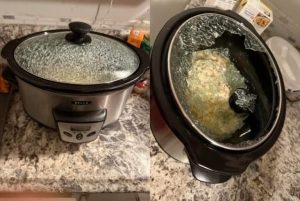
Slow cookers are a dream for busy home cooks—set it and forget it, letting the appliance work its magic while you go about your day. From tender stews to rich, savory roasts, they make mealtime effortless. But not every ingredient thrives in the slow cooker’s low, steady heat. Some foods can turn out unappetizing, overcooked, or even unsafe. To help you avoid slow-cooking disasters, here’s a comprehensive guide to 11 foods you should never throw into your crockpot—and tips on how to adapt recipes so they’re slow-cooker friendly.
1. Dairy Products
Milk, cream, and cheese are staples in many recipes, but they don’t hold up well to hours of slow cooking. Proteins in dairy break down over time, often leaving you with a curdled, grainy mess instead of the creamy consistency you were expecting.
What Happens: Cream separates, cheese becomes grainy, and milk curdles, leaving an unpleasant texture.
Solution: Add dairy only in the last 30 minutes of cooking. If your recipe calls for cheese, processed varieties like Velveeta melt more smoothly and are less likely to break down.
2. Seafood
Seafood is delicate and cooks quickly, which makes it a poor match for the long, slow cooking process. Fish, shrimp, and scallops can easily become rubbery and lose their tender texture if left in the crockpot too long.
What Happens: Shrimp shrivels, fish flakes apart excessively, and scallops turn chewy.
Solution: Incorporate seafood only in the final hour—or even the last 15–20 minutes for smaller pieces—so it retains its texture and flavor. This is especially important in chowders or seafood stews.
3. Fresh Herbs
Fresh herbs like parsley, cilantro, and basil bring bright, aromatic notes to dishes, but those delicate flavors vanish under hours of slow cooking. In some cases, the herbs can even develop a bitter taste.
What Happens: Herbs lose their vibrant taste and can become harsh or off-putting.
Solution: Use dried herbs for recipes that require long cooking, and save fresh herbs as garnishes added just before serving for maximum flavor.
4. Alcohol
Adding wine, beer, or spirits directly to a slow cooker may sound convenient, but the alcohol doesn’t evaporate as it does on the stovetop. This can leave your dish with a harsh, overpowering alcohol flavor.
What Happens: The raw alcohol taste lingers, overpowering other ingredients.
Solution: Reduce alcohol on the stovetop first to cook off the harsh taste, then add it to the slow cooker later in the process.
Please Head On keep on Reading (>)