4. Cheese and Dairy for Enamel Remineralization
How: Eat a small portion of cheese or dairy after meals.
Why it helps: Dairy products provide calcium, phosphate, and casein, which strengthen enamel and neutralize acids.
Evidence: Studies show that cheese raises oral pH levels, lowering the risk of tooth decay.
⚠️ Popular “Natural” Remedies to Avoid
| Remedy | Why It’s Risky |
|---|---|
| Lemon juice or vinegar rinses | Highly acidic and permanently erode enamel |
| Activated charcoal toothpaste | Abrasive—scratches enamel and increases sensitivity |
| Frequent or undiluted hydrogen peroxide | Irritates oral tissue and disrupts the mouth’s microbiome |
| Daily baking soda brushing | Too abrasive for everyday use (limit to 1–2 times per week) |
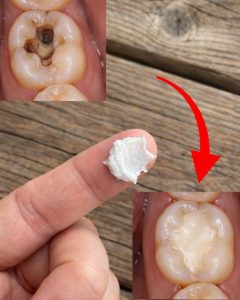
🦷 Important reminder: Tooth enamel cannot regenerate. Once decay begins, only a dentist can stop it.
💡 The Real Kitchen Secret to Fewer Cavities: pH Balance
Cavities aren’t caused by sugar alone—acid exposure is the real culprit.
Sugary and acidic drinks like soda, juice, and sports beverages lower mouth pH, weakening enamel. Saliva helps neutralize acids, but constant snacking or sipping prevents this natural protection.
Smart habits to try:
-
Finish meals with water or cheese to neutralize acids
-
Chew sugar-free gum with xylitol to stimulate saliva and reduce harmful bacteria
❤️ The Bottom Line
Natural kitchen habits can support oral health, but they cannot heal cavities, replace flossing, or eliminate the need for professional dental care.
The most effective tools for preventing tooth decay are:
-
Fluoridated toothpaste (fluoride helps remineralize early enamel damage)
-
Daily flossing
-
Limiting frequent snacking and sipping
-
Regular dental checkups
Prevention isn’t about miracle remedies—it’s about consistency, pH balance, and working with your dentist.
If you notice tooth pain, sensitivity, or visible damage, see a dentist promptly. Early care saves time, money, and your smile—your future self (and your ice cream cone) will thank you. 🦷✨