🌞 4. Thrives Where Other Plants Fail
Purslane is the ultimate low-maintenance green:
-
Loves heat and drought
-
Grows in poor or compacted soil
-
Needs no watering or care
-
Reseeds itself effortlessly
It’s a free, resilient food source—perfect for climate-smart gardening.
🥗 5. Surprisingly Delicious and Easy to Cook
With its crisp texture and mild lemony-pepper flavor, purslane fits beautifully into everyday meals:
-
Tossed raw into salads
-
Sautéed with garlic and olive oil
-
Added to soups, stews, or omelets
-
Pickled for tangy garnishes
-
Used as a natural thickener, similar to okra
Tip: Harvest young stems and leaves in the morning for the best taste.
🌱 6. Even the Flowers and Seeds Are Edible
-
Bright yellow flowers add a delicate touch to salads
-
Tiny black seeds are rich in protein and omega-3s and can be ground or baked into bread
Very few “weeds” offer this level of whole-plant nutrition.
🐝 7. Helps Pollinators and Protects Your Soil
Purslane doesn’t just feed people—it supports the ecosystem:
-
Attracts bees and beneficial insects
-
Suppresses aggressive weeds
-
Reduces soil erosion
-
Acts as living mulch, keeping soil cool and moist
🌍 8. A Time-Honored Food, Not an Invader
Purslane has nourished humans for thousands of years—from ancient Greece and Aztec Mexico to rural China. In many cultures, it’s known as “the vegetable of longevity.”
It coexists peacefully with crops and nature, making it a volunteer edible—not an ecological threat.
⚠️ Important Safety Notes
-
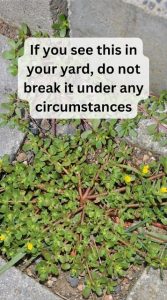
Correct identification matters: Purslane has thick, spoon-shaped leaves and reddish stems. Avoid confusing it with spurge, a toxic look-alike that releases white sap when broken.
-
Harvest wisely: Only collect from clean, chemical-free areas.
-
Moderation is key: Like spinach, purslane contains oxalates—those prone to kidney stones should limit intake.
❤️ Final Thought
Purslane isn’t a weed—it’s a quiet gift from the earth. Let it grow. Harvest it with intention. Share it, eat it, and let it enrich your soil and your health.
“The most valuable plants often grow where we least expect them.”
So next time you see purslane spreading across your garden, smile—and thank it. 🌿✨