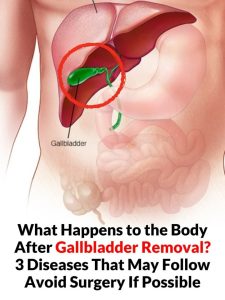
What Happens to Digestion After Gallbladder Removal?
After surgery, your liver still produces bile—but without a gallbladder, bile is no longer stored or released in a controlled way. Instead, it drips continuously into the small intestine, even when you’re not eating.
This constant bile flow can lead to:
-
Poor fat digestion
Fats may pass through the digestive system partially undigested, causing bloating, gas, nausea, and greasy or oily stools (steatorrhea). -
Bile acid irritation
Excess bile entering the colon can irritate the intestinal lining, triggering urgency and diarrhea. -
Nutrient malabsorption
Fat-soluble vitamins—A, D, E, and K—may not be absorbed efficiently, increasing the risk of deficiencies over time.
💡 Studies suggest that up to 40% of patients experience ongoing digestive symptoms, a group of issues known as Post-Cholecystectomy Syndrome (PCS).
3 Long-Term Risks After Gallbladder Removal
1. Bile Acid Malabsorption (BAM) and Chronic Diarrhea
Without bile regulation, excess bile reaches the colon, where it acts like a laxative.
Common symptoms include:
-
Frequent, urgent diarrhea
-
Yellow or greasy stools
-
Abdominal cramping
-
Dehydration and fatigue
Management strategies may include:
-
Bile acid binders (such as cholestyramine)
-
A lower-fat diet
-
Soluble fiber (psyllium, oats, chia seeds)
2. Small Intestinal Bacterial Overgrowth (SIBO)
Bile normally helps control bacterial growth in the small intestine. When bile flow becomes irregular, bacteria may multiply excessively.
Symptoms include:
-
Persistent bloating and gas
-
Belching
-
Food intolerances
-
Constipation alternating with diarrhea
📌 Research shows that SIBO is up to five times more common in people who no longer have a gallbladder.
3. Increased Risk of Colon Cancer (Long-Term)
Long-term exposure of the colon to unregulated bile acids may damage intestinal cells over time.
-
Some large studies published in journals such as Gut and The Lancet suggest a modest but significant increase in colorectal cancer risk 10–20 years after gallbladder removal.
-
This does not mean surgery causes cancer—but it does highlight the importance of prevention and monitoring.
Protective strategies include:
-
A high-fiber diet (vegetables, legumes, whole grains)
-
Regular colorectal screening
-
Nutrients that support bile metabolism, such as calcium-rich foods
🩺 Important: These risks don’t mean gallbladder removal is “bad.” They simply emphasize why preserving the gallbladder when possible is beneficial.
When Gallbladder Surgery Is Necessary (And When It’s Not)
Surgery is usually necessary in emergencies such as:
-
Acute cholecystitis (infected or severely inflamed gallbladder)
-
Gallstones blocking the bile duct, causing jaundice or pancreatitis
-
Gangrenous or perforated gallbladder
Surgery may be avoidable when:
-
Gallstones are found incidentally and cause no symptoms
-
Attacks are mild, infrequent, and respond to dietary changes
-
Sludge or small stones exist without complications
📌 Key fact: Up to 80% of people with gallstones never develop symptoms, and preventive removal is rarely recommended by gastroenterologists.
How to Support Gallbladder Health and Possibly Avoid Surgery
If you still have your gallbladder—or want to improve digestion after surgery—these strategies may help:
-
Eat healthy fats in moderation (olive oil, avocado, fatty fish)
-
Avoid extreme low-fat diets, which can cause bile stagnation
-
Increase fiber gradually to support bile balance
-
Stay hydrated to keep bile fluid
-
Maintain regular meals to encourage proper bile flow
For some people, lifestyle changes alone can significantly reduce symptoms and delay—or eliminate—the need for surgery.
Final Thoughts
Gallbladder removal can be life-saving when complications arise, but it’s not a decision to take lightly. Understanding how digestion changes—and what long-term risks may follow—empowers you to make informed choices and protect your gut health for years to come.
If you want, I can:
-
Rewrite this in a more conversational or second-person tone
-
Optimize it further for SEO keywords
-
Adapt it specifically for a women’s health or fitness audience
-
Add a FAQ section or medical disclaimer