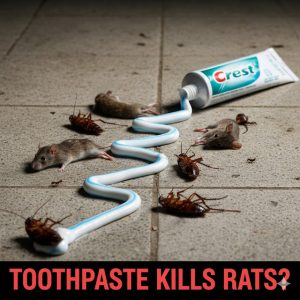
.🐜 3. Ants
The Claim:
Toothpaste blocks ant trails.
The Reality:
A thick line of toothpaste might temporarily disrupt a pheromone trail—but ants are persistent. They’ll simply walk around it.
If the toothpaste contains sweeteners like sorbitol or xylitol, it may actually attract more ants.
✅ What Actually Works:
-
Spray a 1:1 vinegar and water solution to erase pheromone trails
-
Clean surfaces with soapy water
-
Seal cracks and entry points
-
Locate and eliminate the nest
-
Use cinnamon or food-grade diatomaceous earth as deterrents
⚠️ Why Relying on Toothpaste Is a Mistake
Using toothpaste as pest control may seem harmless—but it carries real downsides:
-
False sense of security: Infestations can grow while you rely on ineffective tricks.
-
Wasted money: Toothpaste isn’t cheap.
-
Potential attraction: Sugars, glycerin, and moisture can draw pests closer.
-
Messy residue: Sticky paste in corners can collect dirt and bacteria.
Quick hacks rarely solve real pest problems.
✅ Effective, Low-Cost Pest Prevention That Actually Works
| Pest | Natural Deterrent | Best Action |
|---|---|---|
| Mice | Peppermint oil on cotton balls | Seal entry points completely |
| Cockroaches | Boric acid + sugar bait | Eliminate food and water sources |
| Ants | Vinegar spray | Destroy nest and clean trails |
🔑 Key Insight:
Pests invade for three reasons: food, water, and shelter. Remove those, and most problems disappear—no magic paste required.
❤️ The Bottom Line
Toothpaste is excellent for fresh breath—not pest control.
While it might cause a brief pause or curiosity, it will not stop a serious infestation. Real pest management requires:
-
Exclusion
-
Cleanliness
-
Moisture control
-
Proven, science-backed methods
“Effective pest control isn’t about clever tricks—it’s about removing the invitation.”
Save your toothpaste for brushing—and your peace of mind for smarter solutions. 🌿✨