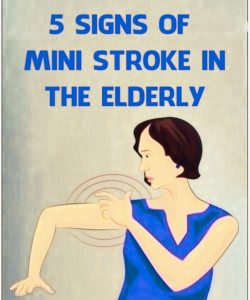
Risk Factors in Older Adults
TIAs are more frequent in seniors, particularly those with:
-
High blood pressure
-
Type 2 diabetes
-
Heart disease or irregular heart rhythms
-
Smoking or heavy alcohol use
-
Obesity or sedentary lifestyle
-
High cholesterol
-
Family history of stroke or TIA
Managing these conditions through medication, regular checkups, and lifestyle adjustments is key to preventing TIAs and more serious strokes.
What to Do If You Suspect a Mini-Stroke
If an elderly loved one shows any of these symptoms—even briefly—seek medical help immediately. Call emergency services or go to the nearest ER. Diagnosis usually involves brain imaging and heart evaluations.
Immediate treatment may include:
-
Medications to prevent or dissolve clots (e.g., aspirin or other blood thinners)
-
Blood pressure management
-
Cholesterol and blood sugar control
-
Addressing underlying conditions like heart rhythm problems
Long-term care often involves:
-
Heart-healthy diet adjustments
-
Regular exercise
-
Smoking cessation and limited alcohol intake
-
Follow-ups with a neurologist or cardiologist
Prevention Tips for Seniors
-
Take all prescribed medications consistently
-
Attend routine health screenings
-
Eat a balanced, heart-healthy diet low in sodium and high in fiber
-
Stay physically active
-
Avoid smoking and excessive alcohol
Final Thoughts
While mini-strokes do not usually cause lasting damage, they are a critical warning sign of stroke risk. Recognizing symptoms early and acting quickly can save lives.
If you care for an elderly loved one, staying informed and proactive is the first step in keeping them safe.