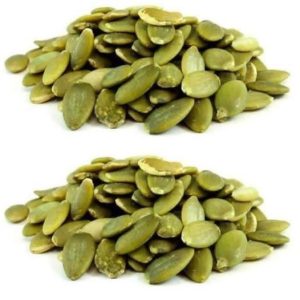
5. Help Support Blood Sugar Balance
Thanks to their combination of fiber, healthy fats, and plant protein, pumpkin seeds slow glucose absorption. Both animal and human studies suggest they may help stabilize blood sugar levels, making them beneficial for people with prediabetes or type 2 diabetes.
6. Excellent Plant-Based Source of Iron & Zinc
-
Iron: ~2.5 mg per ¼ cup (14% DV), essential for energy production and oxygen transport
-
Zinc: ~2.2 mg per ¼ cup (20% DV), important for immune health, wound healing, and taste and smell
🌱 Especially valuable for vegetarians and vegans.
🥣 Easy Ways to Enjoy Pumpkin Seeds
-
Eat raw or lightly roasted with sea salt
-
Sprinkle over salads for extra crunch
-
Blend into smoothies or stir into oatmeal
-
Use as a topping for yogurt, soups, or roasted vegetables
-
Grind into pesto or homemade seed butter
✅ Tip: Choose raw, unsalted pumpkin seeds when possible and store them in the refrigerator to preserve freshness.
⚠️ A Few Things to Keep in Mind
-
Portion size matters: About 180 calories per ¼ cup
-
Phytic acid: May slightly reduce mineral absorption—soaking or roasting helps
-
Allergies: Rare, but possible for those sensitive to other seeds
❤️ The Bottom Line
Pumpkin seeds aren’t just a seasonal treat—they’re a year-round superfood that supports heart health, sleep, immunity, and metabolic balance. Affordable, shelf-stable, and incredibly versatile, they’re one of nature’s most underrated nutritional gems.
Small seeds. Mighty impact.
Add a handful to your day and let these tiny green powerhouses quietly support your health. 🎃✨